A visible mark
A dark spot, loose granules or a dent on metal is an observation. Its cause and effect need assessment before it becomes a repair recommendation.
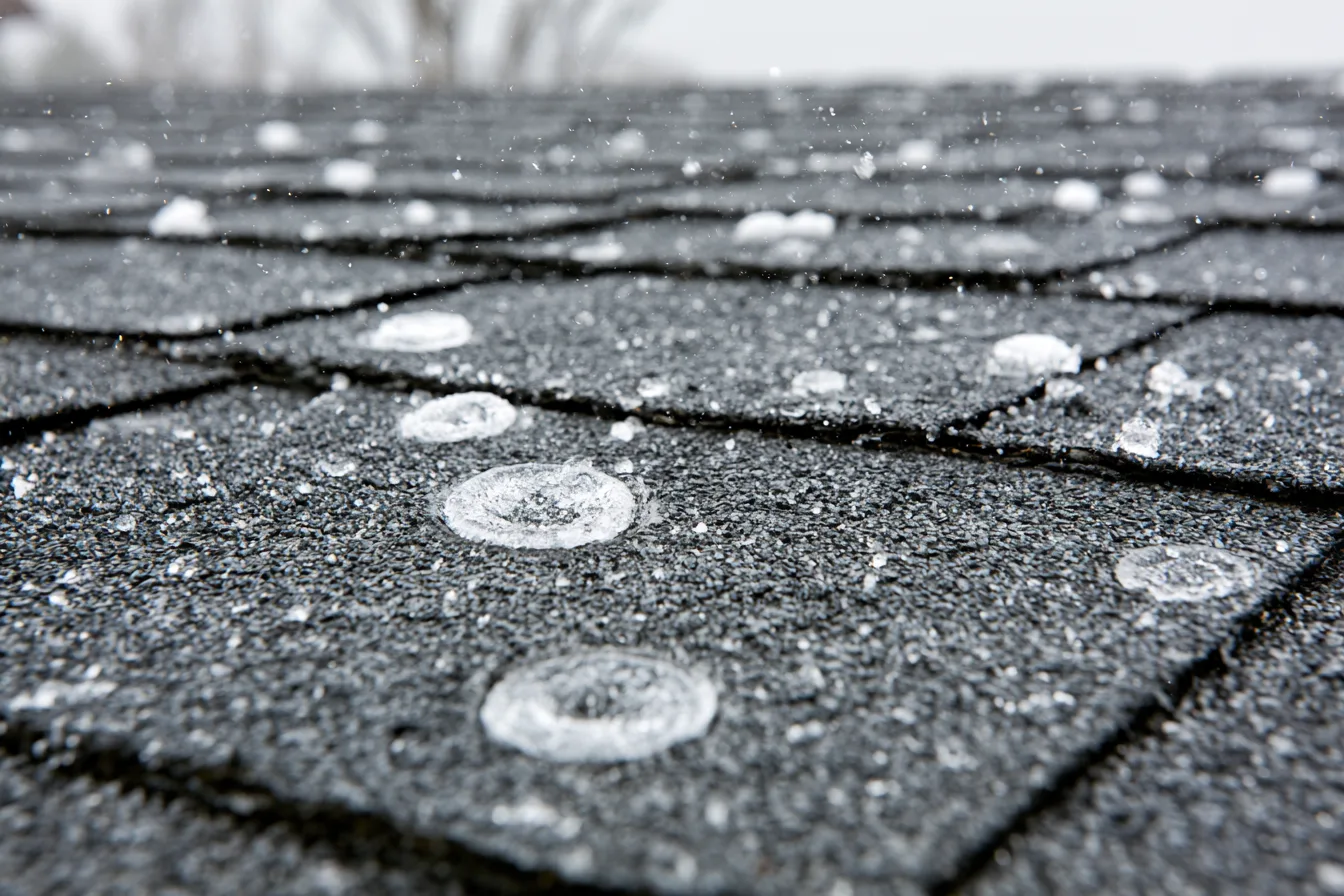
Have a Glenn Heights roof checked after suspected hail damage. Understand inspection findings, repair limits and impact-resistant shingle options.
Hail damage is a question about the roofing material, not just the size of the ice that fell. An impact can dislodge protective granules, damage the asphalt surface or bruise or fracture the shingle beneath it. Weathering, foot traffic and other conditions can also leave marks that need to be distinguished from impact damage.
Dents in metal panels, gutters or vents make the hail concern worth discussing, but they do not establish the condition of every shingle. The inspection has to connect the evidence to the actual roof surface and the distribution of affected areas.
We offer free inspections for Glenn Heights homeowners with hail concerns. You do not need to find or mark impacts yourself. A roof walk under suitable conditions is a place to begin understanding whether the roof needs a repair or broader work.
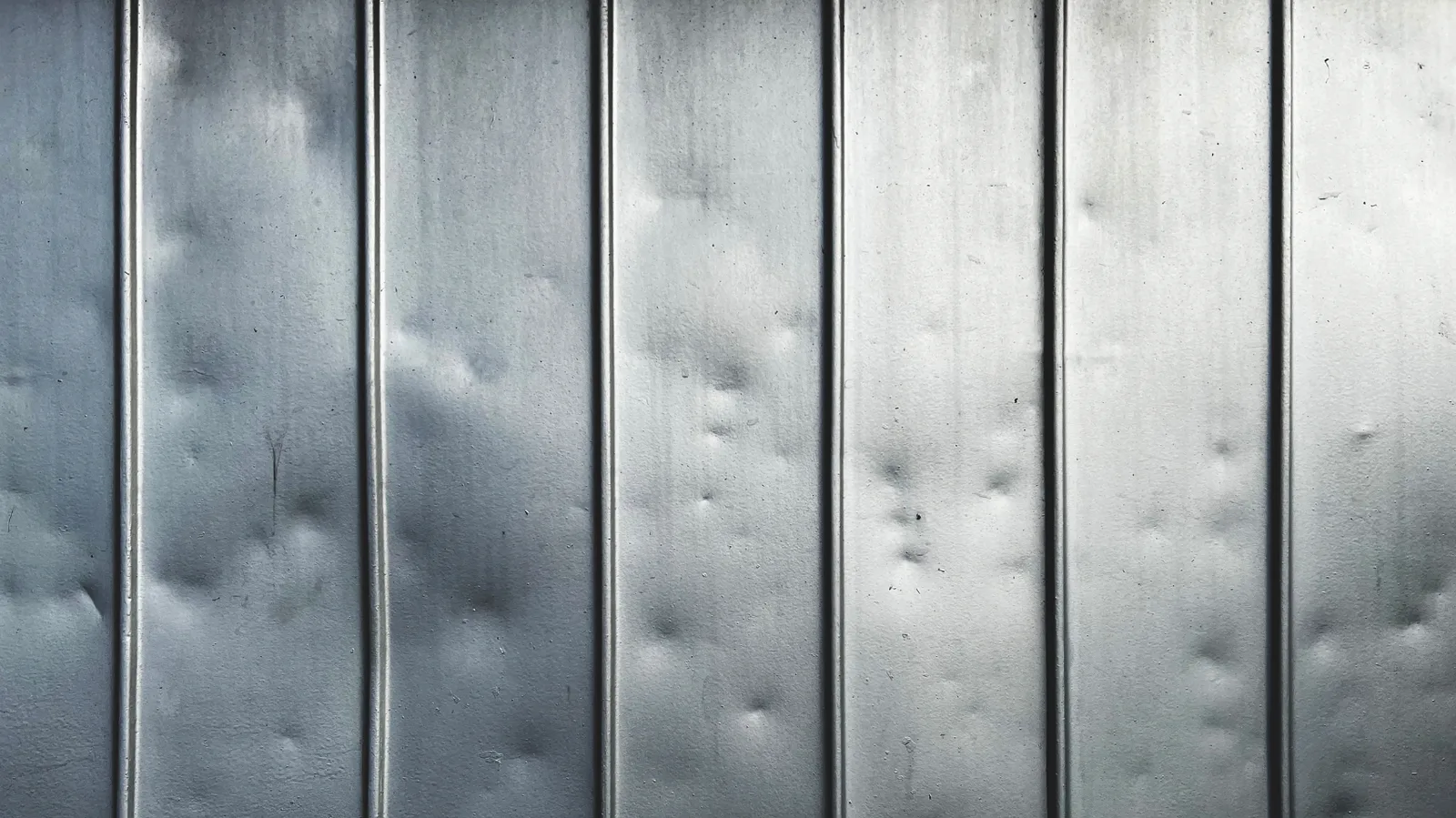
A dark spot, loose granules or a dent on metal is an observation. Its cause and effect need assessment before it becomes a repair recommendation.
Damage to the shingle’s protective surface or underlying material can change its ability to serve as part of the covering. Repairability also depends on the adjacent shingles and their condition.
Damage spread across slopes creates a different scope from isolated affected pieces. The recommendation should explain that distribution and what either a repair or replacement would leave in place.
An impact rating is a published product attribute. A Class 4 shingle has met a specified laboratory test; you cannot establish that rating by its color or by looking at a sample’s layered edge. Some architectural products carry an impact rating and others do not.
Impact resistance also does not mean hail-proof or free from future storm damage. The deck, underlayment, flashing and fastening still need to suit the roof and the product. Manufacturer warranty terms and insurance treatment are separate from the test classification.
Compare the product distinctions in shingle options before treating an impact-rated shingle as a complete roof-system upgrade.
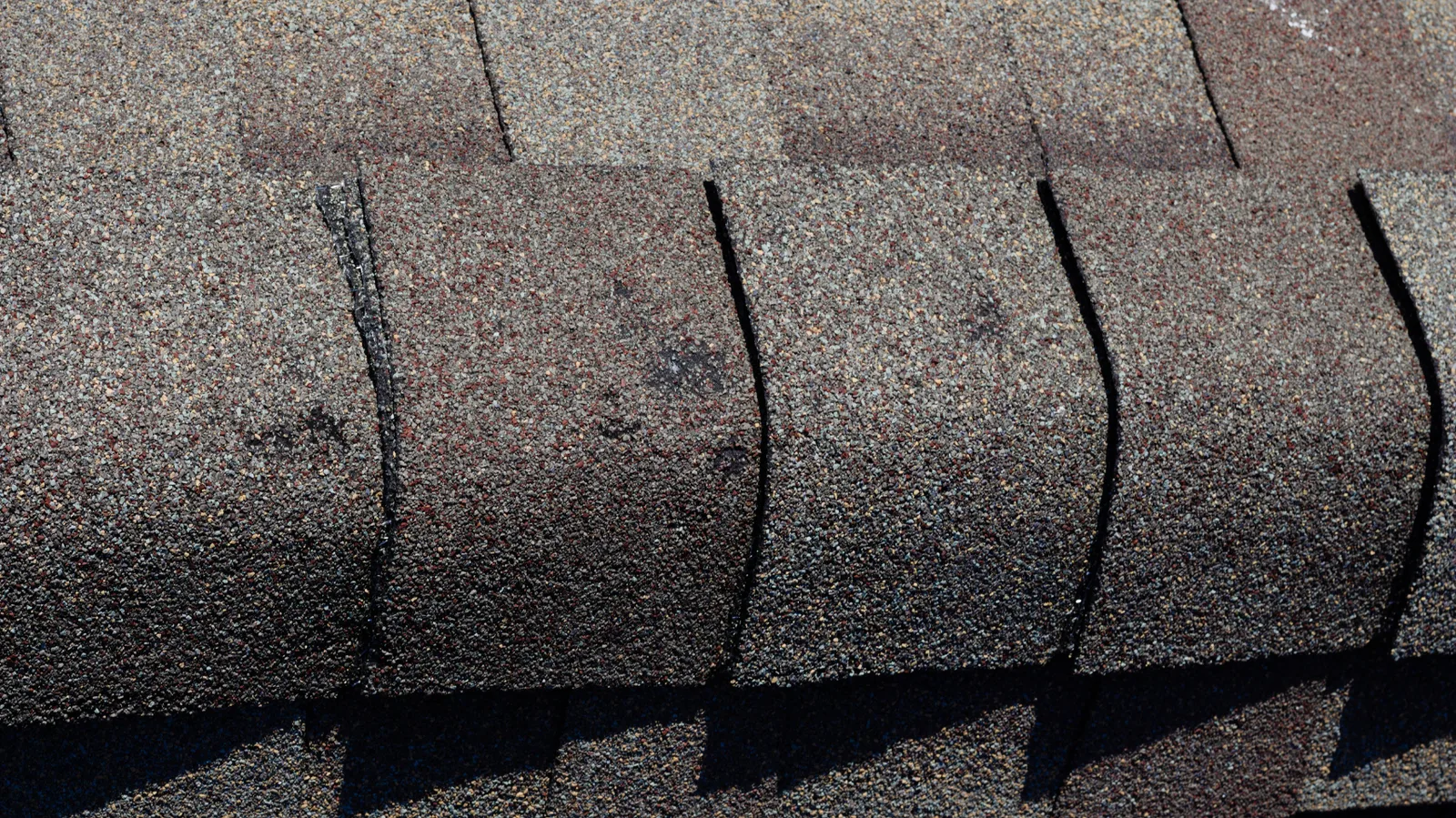
The next step should follow the condition found, not an assumption that every hail concern ends in a new roof. A repair needs sound material around the affected pieces; replacement needs a clear explanation of why the broader work is useful.
Consider which slopes and details are damaged and whether isolated repairs can address them.
Age, brittleness and compatibility affect how well new pieces can integrate with the remaining roof.
Deck, flashing or other problems discovered during repair need their own explanation rather than being attributed to hail automatically.
The insurer decides coverage under the actual policy. A shingle warranty and an impact-test rating do not promise payment for a hail loss.
No. Dents can support investigating hail exposure, but shingle damage and repair extent need their own assessment. Different materials react differently to an impact.
Yes. Damage to the covering does not always produce immediate visible water entry. The absence of a stain is not a complete assessment of the roof surface.
No. Architectural describes a layered shingle style. Class 4 describes a particular tested impact rating. Check the published information for the exact product under consideration.
An insurer may offer a discount for qualifying products, but eligibility and savings depend on the insurer and policy. Confirm the terms with the insurer before treating a discount as part of the project budget.
Have a hail concern on your Glenn Heights roof? Request a free inspection to connect the visible evidence with the work the roof actually needs.