Roof leak repair
Trace the route water took and repair the opening, even when it is away from the indoor stain.
Explore roof leak repair
Compare Glenn Heights roof repair, replacement, inspection and commercial options. Find the right next step and request a free roof inspection.
A roof service should solve the problem you called about. Repair restores a damaged part of an otherwise serviceable roof. Replacement renews the covering and the details that need rebuilding across the planned area. Inspection comes first when the extent of the trouble is still uncertain.
For example, a loose shingle might leave sound material around a local repair, while several failed patches and brittle shingles can make a wider replacement worth discussing. Water on a commercial ceiling calls for tracing the leak through the roof system, not assuming the nearest rooftop unit caused it.
Missing roofing, a leak or a damaged metal detail needs a close look at that location and the roof around it.
Wear across the covering, extensive damage or a planned renovation calls for replacement options.
An inspection can clarify a roof you have not had checked or a change noticed after rough weather.
These services overlap in the inspection, but the finished work is different.
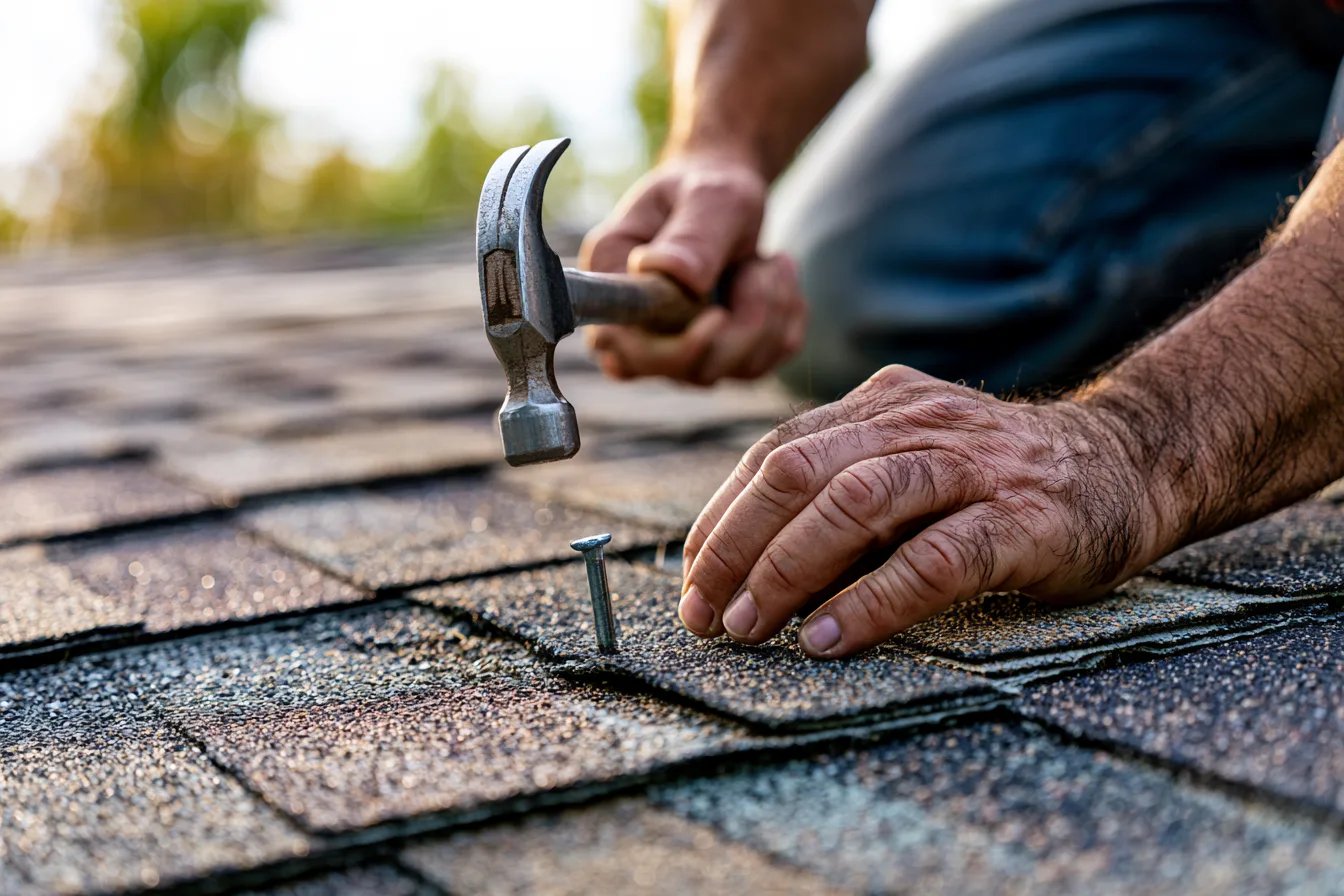
Shingle and flashing repairs remove or restore the failed piece and reconnect it to the roof around it. That can mean lifting nearby shingles, replacing a vent boot or opening enough roof to reach damaged wood.
The repair stays local when the surrounding roof can support it. Brittle covering or hidden deterioration can widen the work; the reason should be explained before the plan changes.
More about roof repair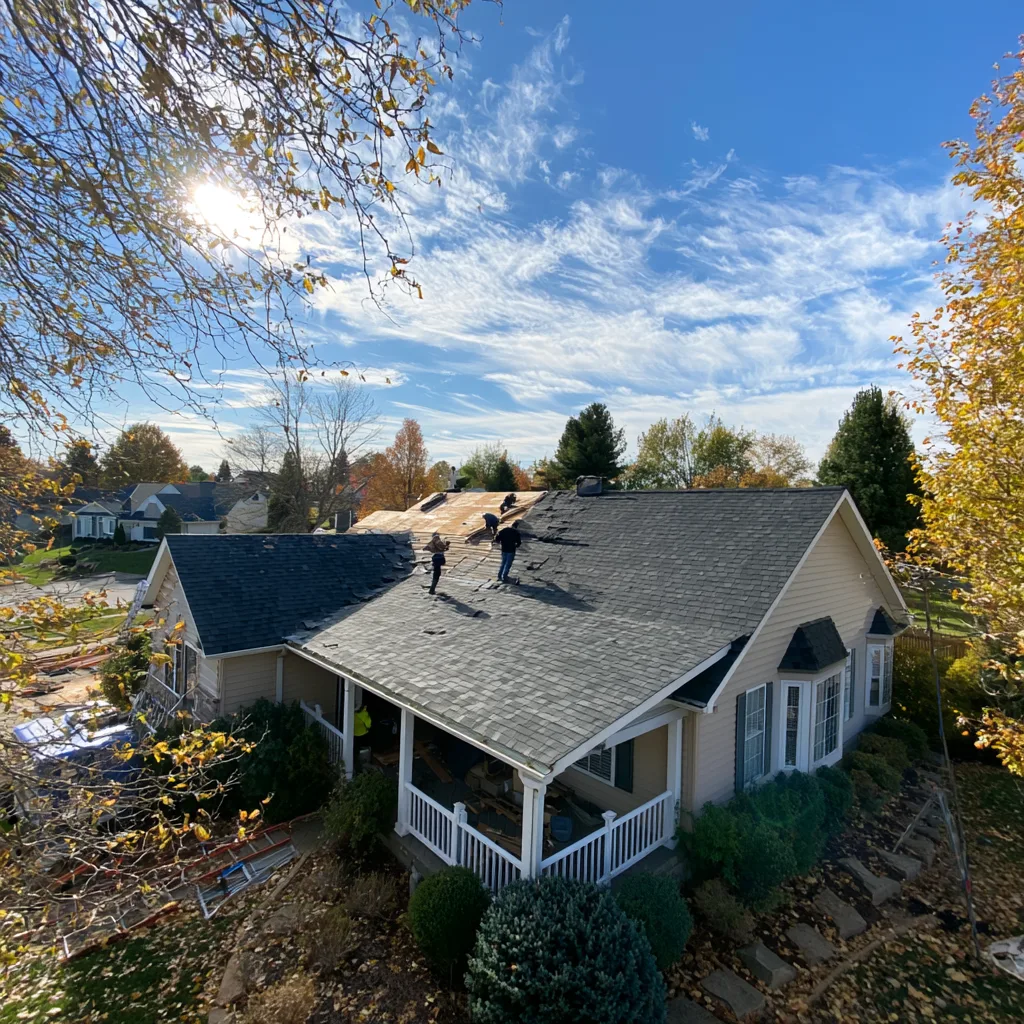
Replacement starts with the existing layers and the condition of the deck beneath them. New underlayment, shingles and roof details must work together to shed water.
Material selection also includes starter strips, ridge caps, ventilation needs and flashing. We help connect those choices to the measured roof, access and budget, rather than treating the new shingle as the whole project.
More about roof replacement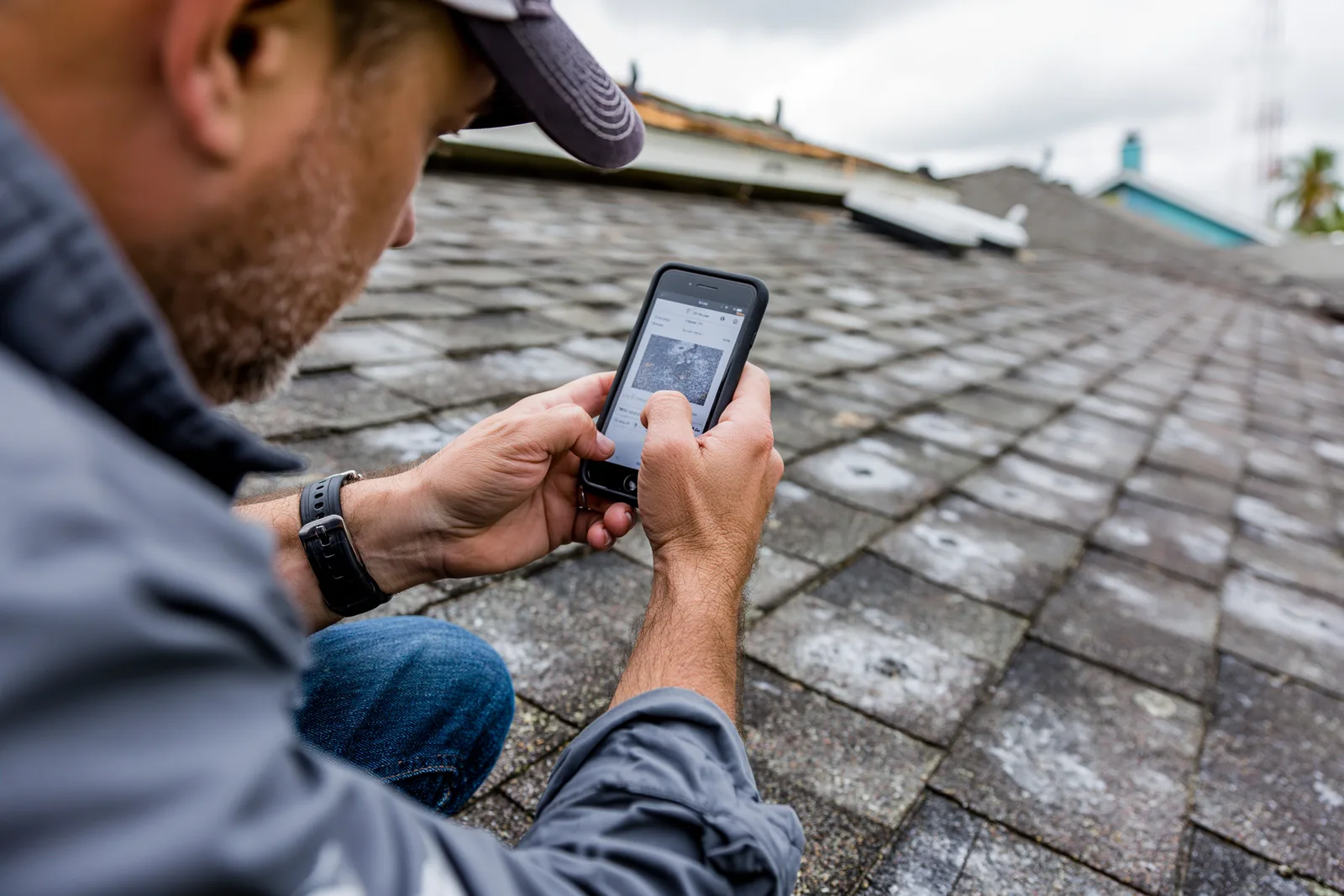
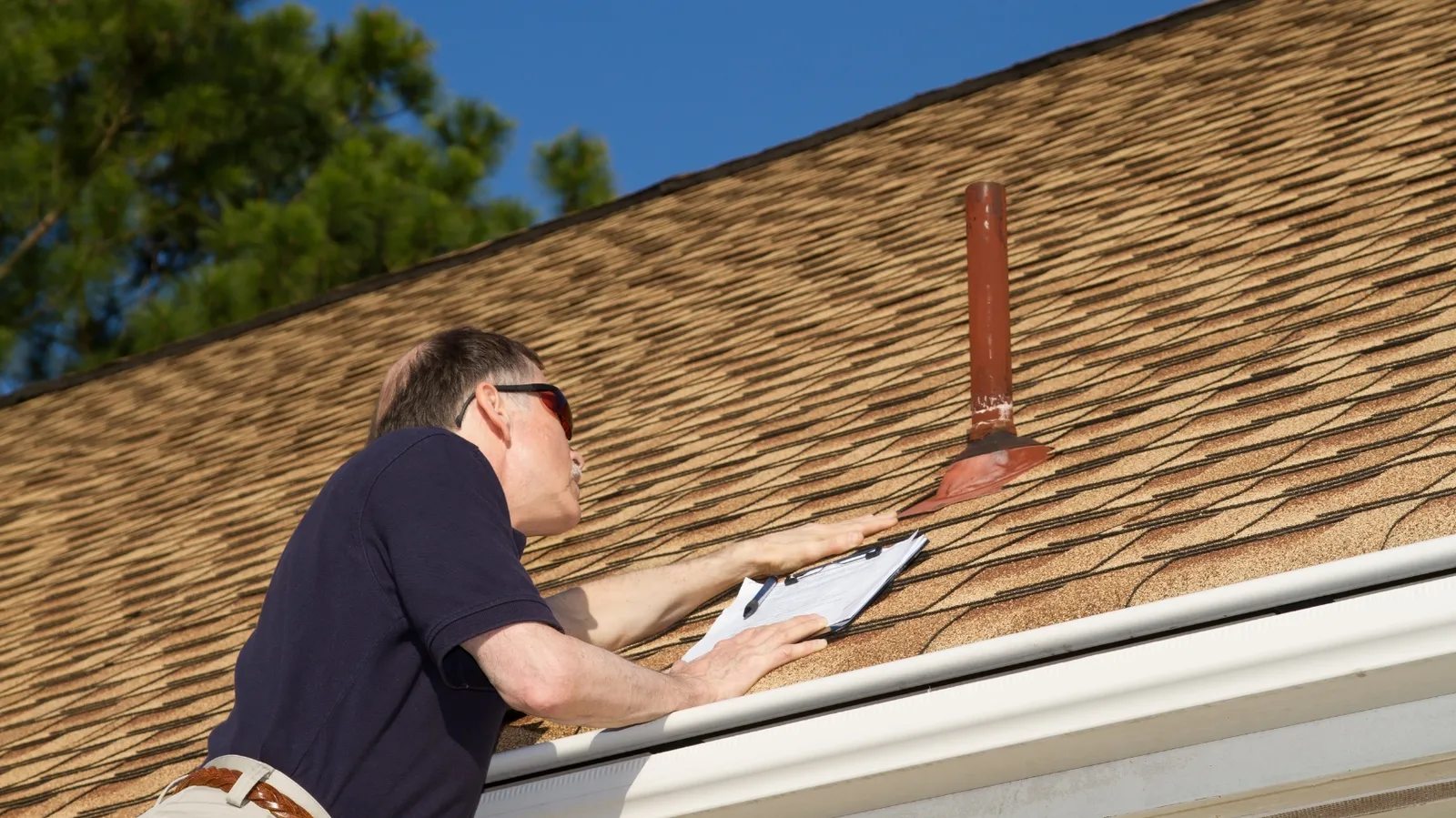
A free inspection checks the visible condition of the covering, roof joints, penetrations and edges. The roof can be walked when safe access and conditions allow.
The useful result is a clearer next step: no work needed now, a defined repair or a broader replacement discussion. An inspection cannot expose every concealed layer without opening the roof.
More about roof inspections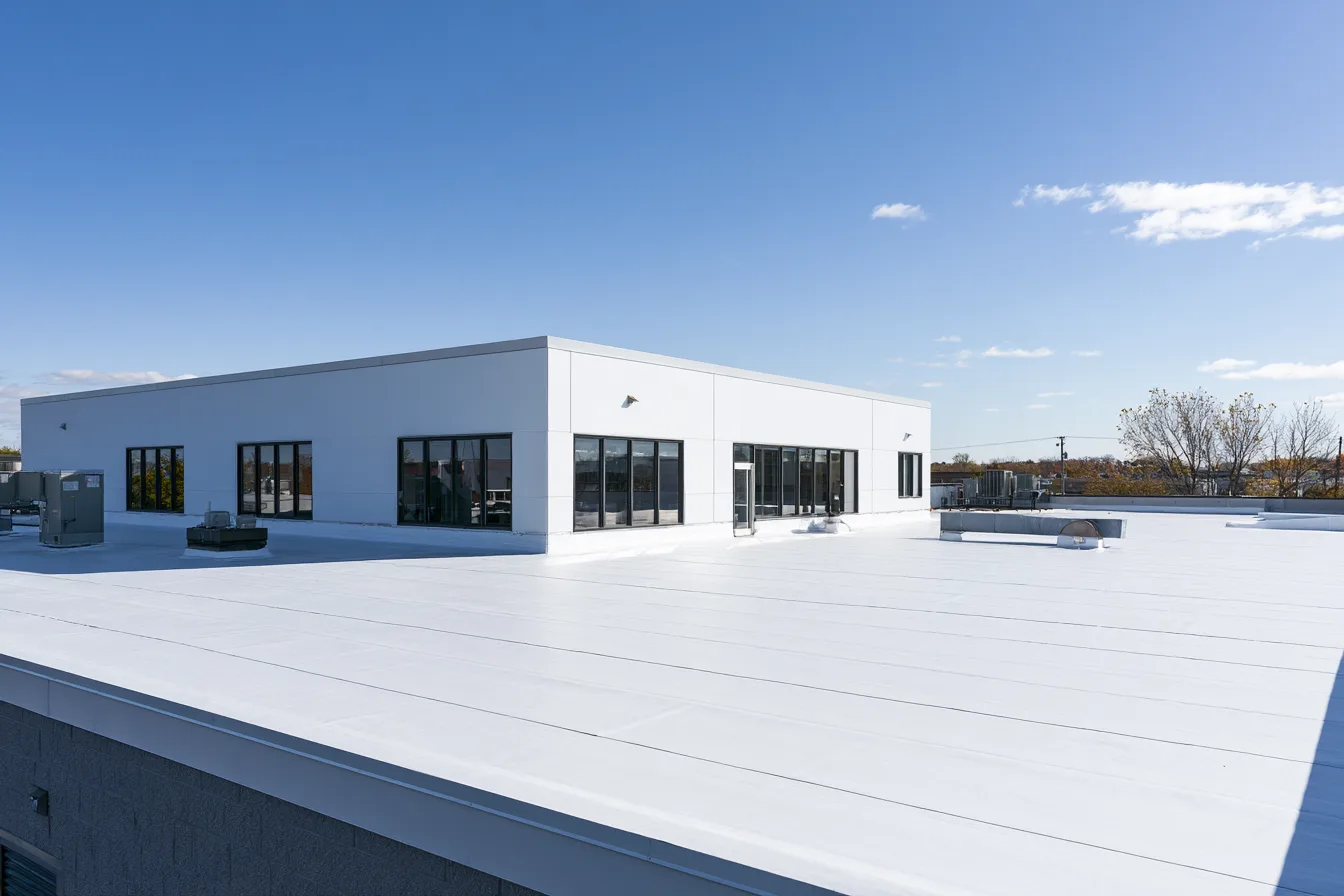
A low-slope roof needs its own approach to seams, drainage, rooftop equipment and the insulation below the membrane. A coating is an option only when the existing roof is a suitable base.
We help building owners distinguish local repair, restoration and replacement while accounting for access and activity below. The commercial hub explains those choices before the system pages get into the details.
More about commercial roofingFor suspected impacts, the hail damage page explains what marks do and do not establish.
If water is entering now, see urgent roof help for safe first steps and temporary-protection limits.
Trace the route water took and repair the opening, even when it is away from the indoor stain.
Explore roof leak repair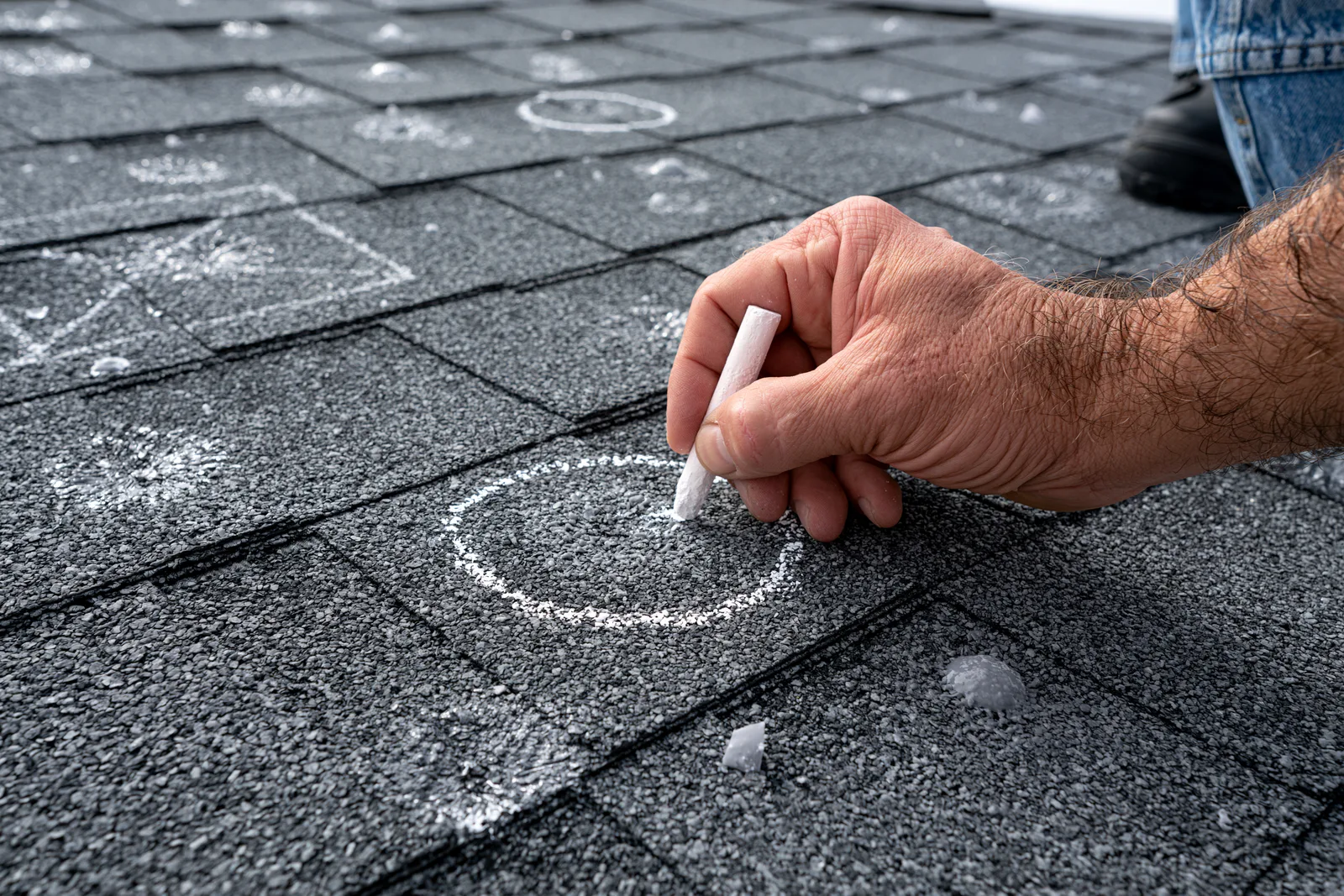
Assess what wind, impacts or debris changed on the actual roof before settling the repair extent.
Explore storm and hail damage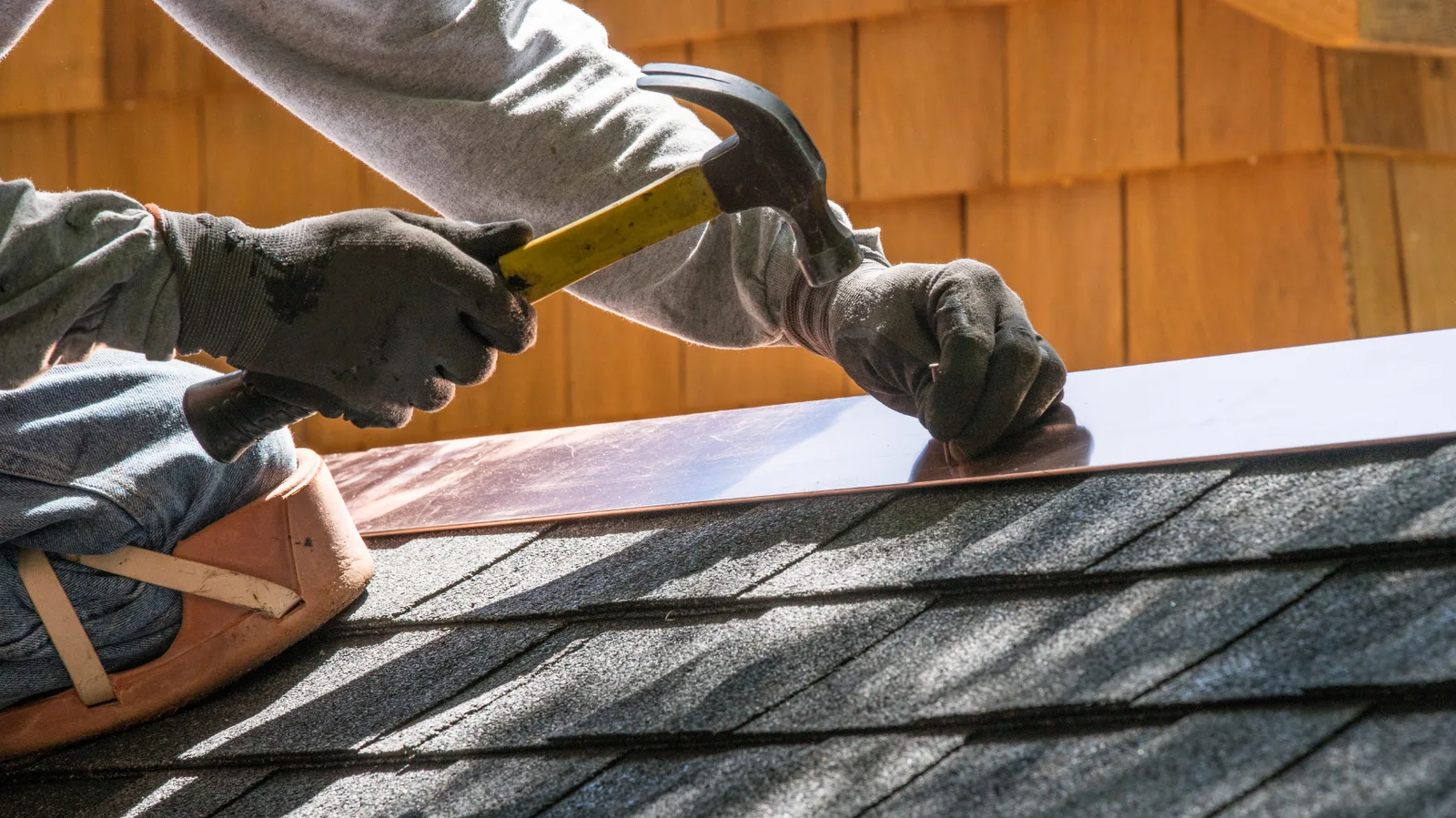
Restore the water-shedding joints around walls, chimneys and roof penetrations.
Explore flashing repairBefore work is selected, the roof’s covering, moisture condition and drainage need to be understood. A small puncture over dry insulation can be a repair question. Widespread wet layers or failing attachment calls for more than a new surface coat.
Different buildings also need different plans for entrances, equipment access and the space below the work.
Heat-welded seams, compatible patches and replacement attachment.
Surface restoration when the existing roof is sound, dry and compatible.
Leaks at drains, curbs, perimeters and low-slope transitions.
The inspection identifies the roof work. The plan then makes its extent and conditions understandable.
Find the visible damage and examine connected materials. For a leak, relate the indoor symptom to possible roof openings.
Describe the material being repaired or replaced, the surrounding details and any conditions that cannot be fully seen from the surface.
Roof access, waste removal, equipment and occupied areas affect how the project is arranged. Those details belong beside the roofing scope.
No. Tell us the problem or concern and request a free inspection. The roof’s condition helps establish whether a repair can connect to sound materials or whether a larger scope makes more sense.
Yes, damaged decking can be part of the required roofing work. Some areas are visible during inspection; others are exposed only after the covering is removed. The extent of wood replacement changes the materials and labor.
No. The roof findings establish the damage and possible work. Whether a loss is covered, and what is paid, depends on the policy and insurer.
The roof insurance guide explains those separate decisions.
Describe the roofing concern at your home or business. A free inspection helps put the right work in view.