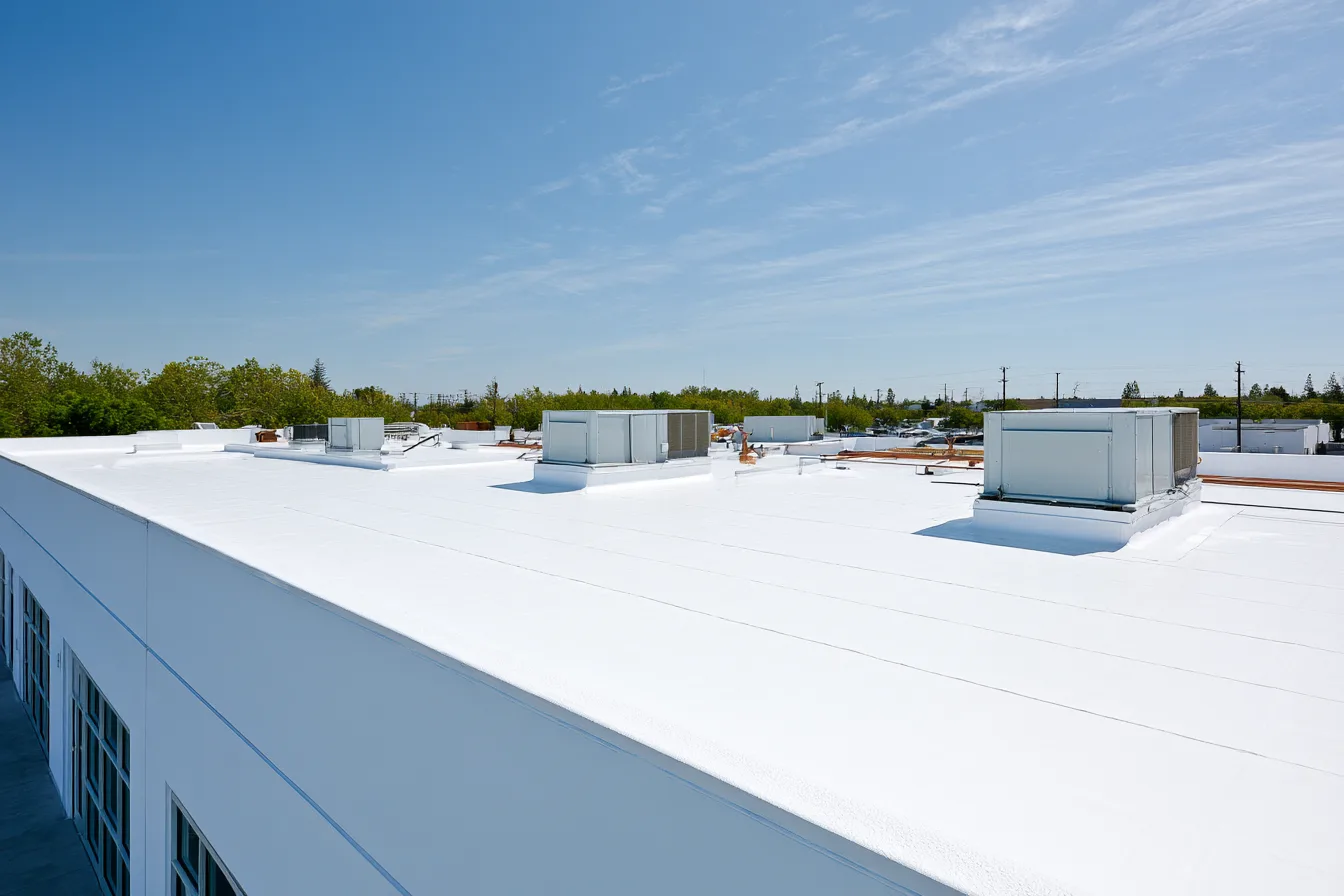
TPO roofing
Understand welded seams, compatible membrane repairs, perimeter attachment and the layers beneath a TPO replacement.
Explore TPO roofing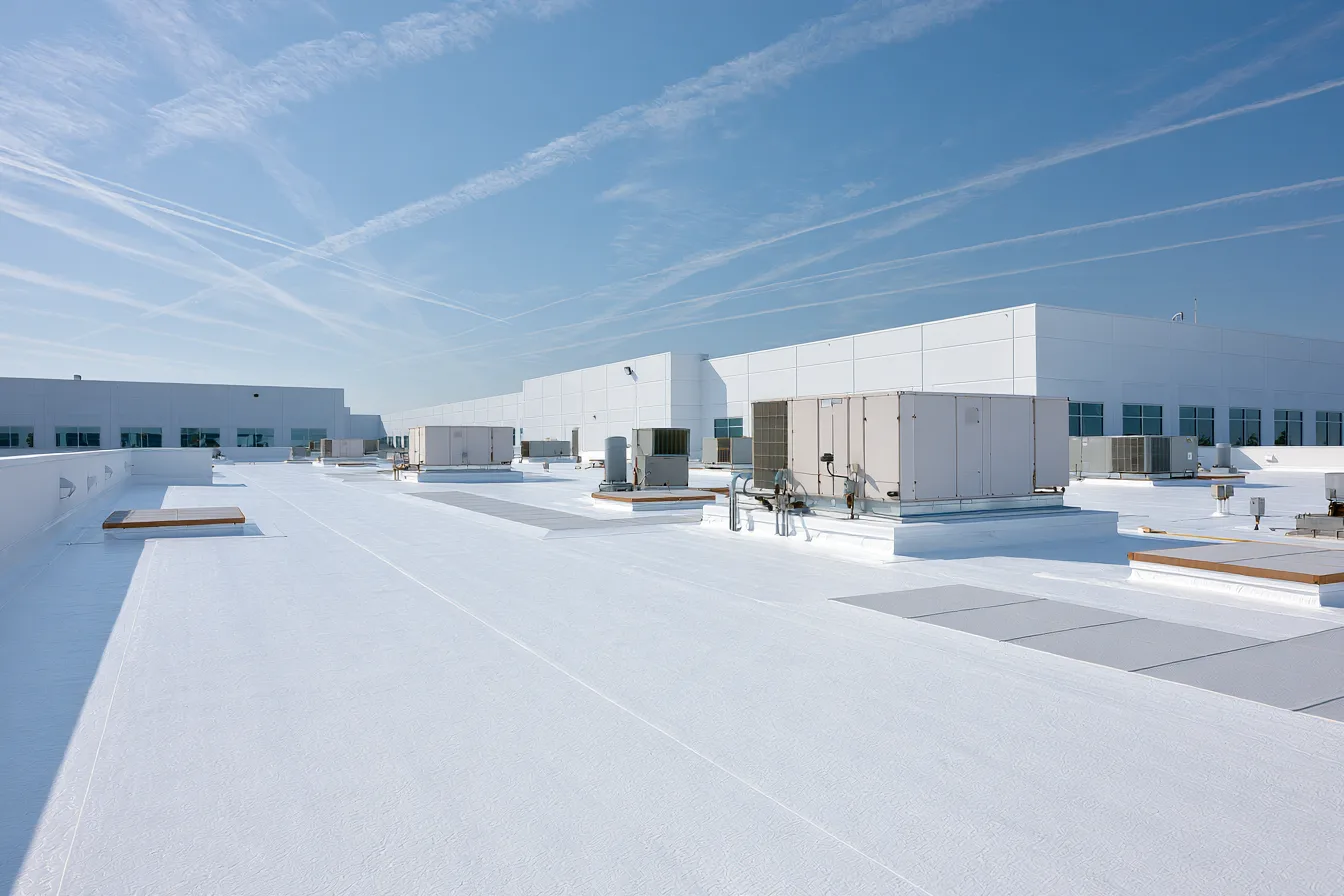
Plan commercial roof repair, TPO work, coatings or replacement in Glenn Heights. Get practical answers about drainage, wet insulation and access.
Before a commercial roof is coated or covered again, we need to know what would remain underneath. Sound, dry insulation and secure attachment can support different options from wet layers or a deteriorated base. A new surface is only useful when the retained roof can support it.
For Glenn Heights building owners, we assess the existing assembly before recommending repair, restoration or replacement. That includes the visible membrane, its connections at drains and equipment, and any signs that moisture extends below the surface. Further investigation can be necessary to establish which layers can stay.
The result needs to be a workable project for the building: a defined repair boundary or replacement scope, a drainage plan and arrangements for equipment access and occupied areas. Start with a free inspection and tell us the roof concern and how the property is used.
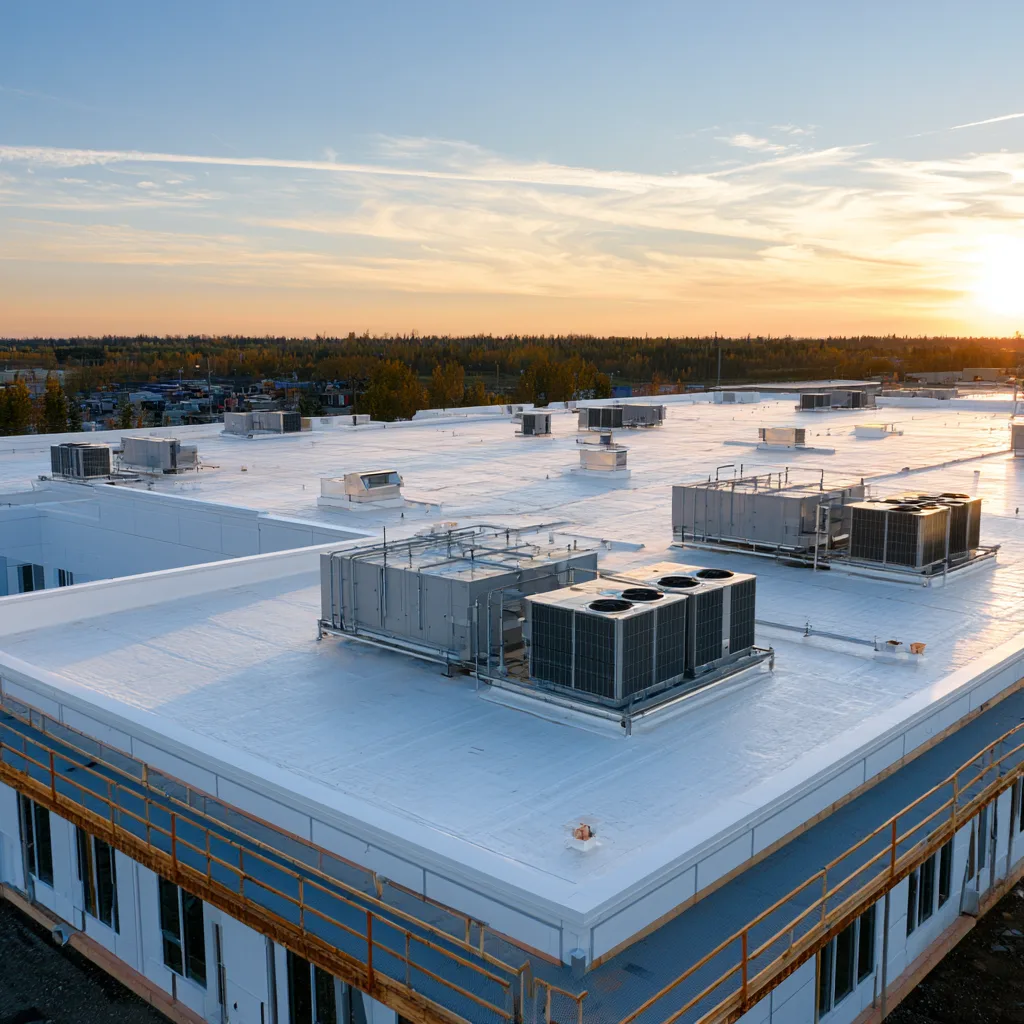
The condition below the surface can decide whether keeping the existing roof is useful. A new coating or membrane layer should not trap a known moisture problem.
A compatible patch or detail repair can restore an isolated opening when the surrounding roof and underlying layers are sound.
A coating needs a compatible, securely attached roof with wet or damaged areas properly addressed. Adhesion and drainage conditions affect suitability.
Widespread moisture, failing attachment or a deteriorated system can make removal and replacement necessary. Deck condition and drainage are part of that scope.
Understand welded seams, compatible membrane repairs, perimeter attachment and the layers beneath a TPO replacement.
Explore TPO roofing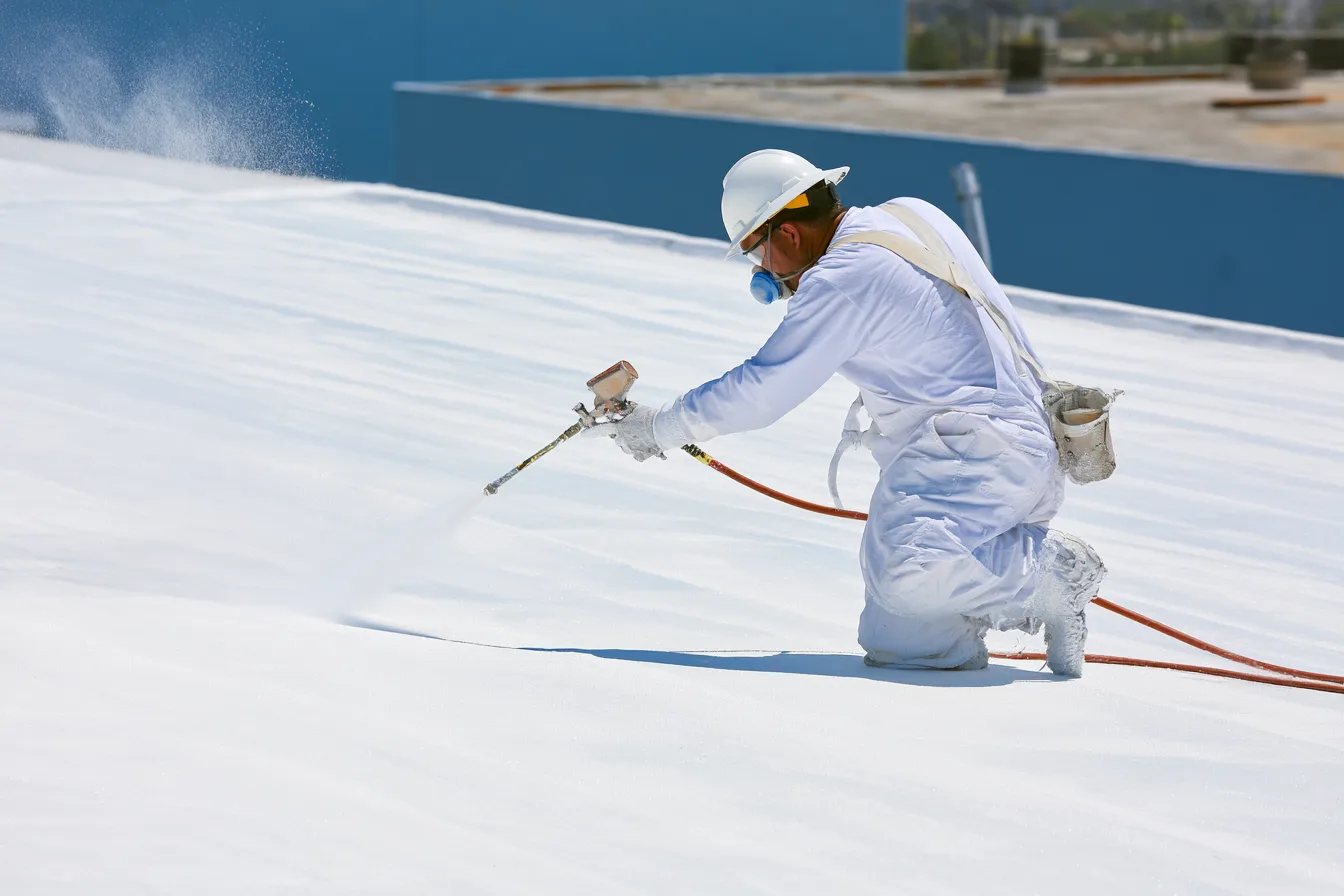
Assess restoration suitability, preparation and the conditions a fresh surface cannot repair.
Explore roof coatings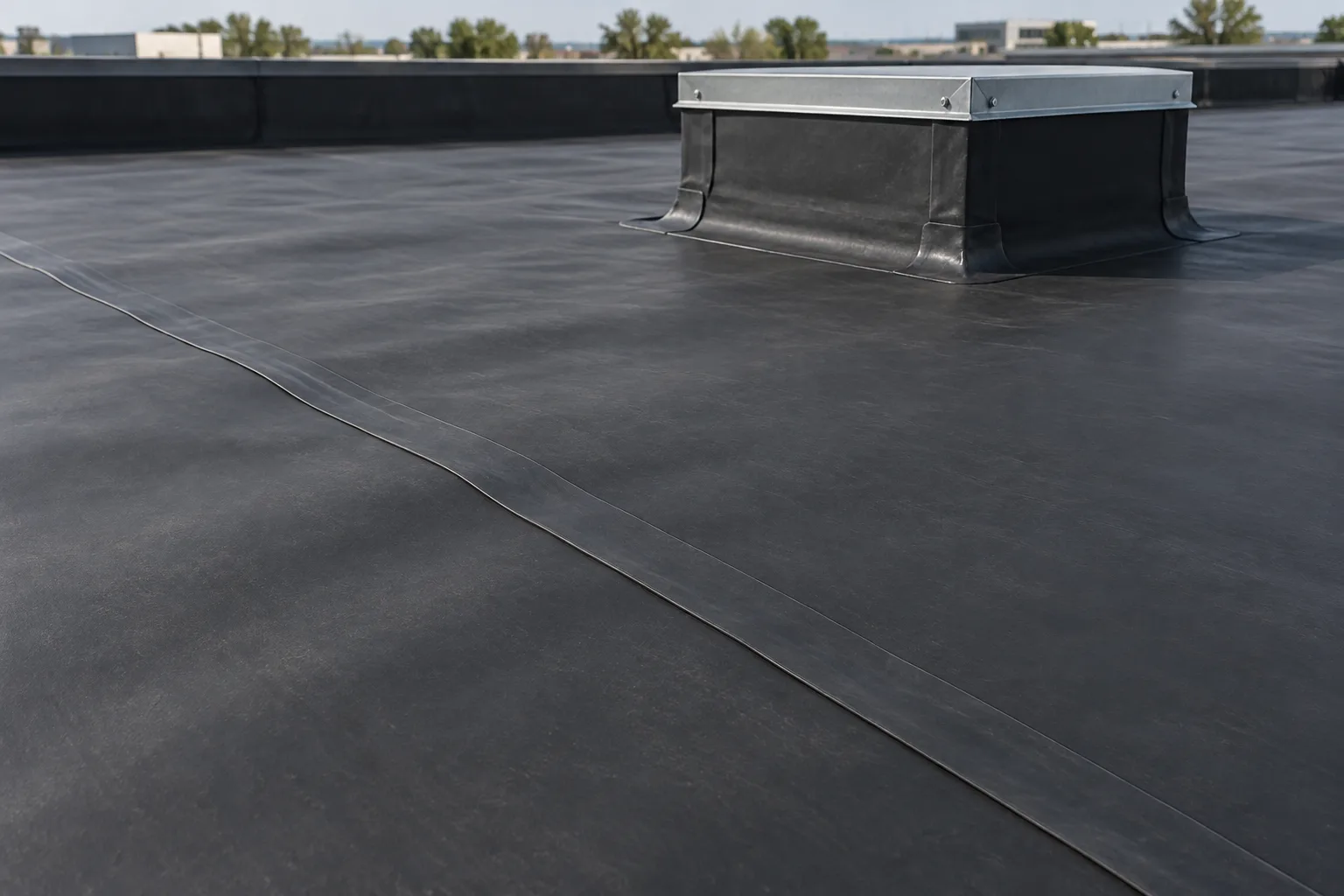
Trace leaks around drains and equipment, and distinguish an obstruction from a roof-slope problem.
Explore flat roof repairA usable work plan connects the repair scope to the way the property operates, including entrances, deliveries and occupied areas.
| Building need | Roof-work planning |
|---|---|
| Tenant and customer access | Keep the planned work, debris handling and material staging clear of needed entrances; arrange any restrictions before they are required. |
| Rooftop equipment | Coordinate access and work around curbs, lines and service routes. Equipment disconnection or relocation may need the responsible trade. |
| Loading and deliveries | Locate material handling and waste removal so the project accounts for dock and delivery activity. |
| Sensitive space below | Discuss occupied areas, stored goods and roof openings so weather exposure and protective measures fit the actual building. |
| Future roof upkeep | Include access to drains and equipment and appropriate traffic protection where the chosen roof system requires it. |
Confirm the covering, visible details, drainage routes and areas of concern. Existing roof information can help, but the roof itself still needs inspection.
When moisture or attachment is in doubt, further evaluation can establish how much material needs removal. Surface appearance alone cannot prove insulation is dry.
Specify the compatible system, details at curbs and perimeters, drainage changes and the deck or insulation work that the condition requires.
Plan work zones, deliveries, equipment coordination and any necessary interruptions with the owner or manager.
Yes, when the opening is local and the surrounding roof and layers beneath it support a compatible repair. Saturated insulation, insecure attachment or extensive deterioration can change the scope.
It depends on the roof and the coating system, but coating does not create drainage slope. Drain obstructions, drain details and the reason water remains need assessment first. Product ponding-water limits and substrate condition also matter.
No. A surface inspection cannot rule out every concealed wet area. The roof’s condition and leak history determine whether additional moisture evaluation or openings are needed before the work is chosen.
Yes. Access and occupied space are part of commercial planning. The actual roof scope, weather exposure and equipment needs determine what restrictions or interruptions must be arranged.
Tell us about the building, the roof system if known, and the problem affecting the space below. Start with a free roof inspection.